PACA is the first non-partisan, Pakistani American Christian Alliance dedicated to the protection of religious freedom and safeguarding of the fundamental rights of Christians in Pakistan.[cite: 18]
Diaspora Members
Policy Reports
Based Operations
Congressional Voice



The Pakistani American Christian Alliance (PACA) serves as a representative advocacy voice for Christians living in Pakistan, amplifying their concerns within U.S. policy and human rights forums.[cite: 11]
We work with Members of Congress and federal agencies to highlight religious liberty restrictions.[cite: 12]
Providing critical policy briefings and research reports to influence American foreign policy.[cite: 13]
Partnering with human rights institutions to advance civil rights protections globally.[cite: 15]
Operating with a strategic, research-driven approach to federal advocacy.[cite: 16]
Our President, based in the United States, leads the organization’s international advocacy, outreach, and engagement efforts. Working in close partnership with the President, the Executive Director in Pakistan oversees the collection, analysis, and documentation of research-based information concerning the persecution of Christians in Pakistan. The Executive Director provides timely reports, verified data, and critical updates on emerging human rights concerns, enabling the President to raise urgent issues before policymakers, faith communities, human rights organizations, and other key stakeholders. This collaborative approach ensures that the voices of persecuted Christians are heard and that credible, evidence-based advocacy is advanced at both national and international levels.[cite: 31]
Join the Alliance
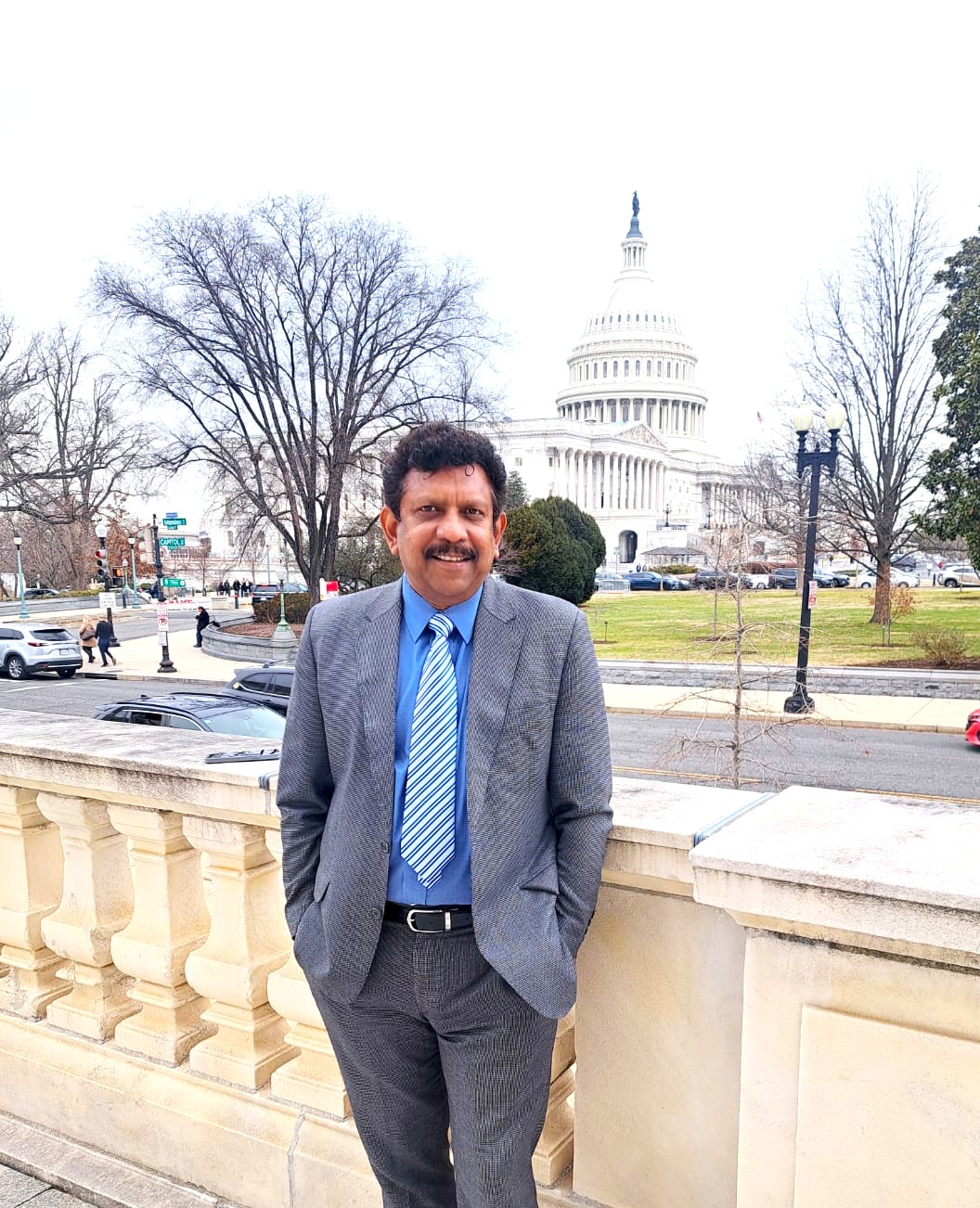

At PACA, we believe in standing firm on the foundation of faith, justice, equal rights, and unity. Together, we seek to build bridges of understanding and foster partnerships that advance religious freedom.[cite: 36, 37]
It is both an honor and a responsibility to serve as Chairman of this organization dedicated to advocating for the rights, dignity, and well-being of the Pakistani Christian community in the United States and Pakistan.[cite: 35]
We invite you to join us in prayer, advocacy, and active engagement as we work to promote religious freedom, human rights, and community empowerment. Together, we can make a meaningful difference.
Sajid Sandhu.
[cite: 38, 39]

Providing strategic leadership in advancing the organization’s mission. We ensure that operations run with integrity, professionalism, and accountability while maintaining constructive engagement with policymakers.[cite: 41, 43]
From policy engagement to community outreach, the Executive Director oversees the implementation of PACA’s programs, advocacy initiatives, and institutional partnerships.[cite: 42]
The Executive Director works closely with the Advisory Council and members to ensure that PACA’s activities remain aligned with its faith-informed principles and its commitment to lawful, peaceful advocacy. Through careful coordination and responsible leadership, the office of the Executive Director seeks to promote unity within the diaspora and sustained policy impact in support of religious liberty.[cite: 44, 45]

PACA is committed to Christ-centered integrity, unity, and servant leadership. We treat every individual with dignity and respect, advocate responsibly for justice, and steward resources with transparency.[cite: 56, 57]
We also safeguard the confidentiality of our members, partners, and supporters, protecting personal information and sensitive matters with care and discretion.[cite: 58]
“PACA is committed to Christian integrity, respectful treatment of all, responsible advocacy, accountable stewardship, and protecting member confidentiality.”[cite: 60]

The Advisory Council serves as a consultative body providing guidance, expertise, and strategic insight to support PACA’s mission.[cite: 47] Comprised of respected leaders, professionals, clergy, and policy advisors, the Council offers diverse perspectives on advocacy priorities.[cite: 48]
Advising on policy direction and advocacy strategies.[cite: 50]
Strengthening institutional credibility and outreach.[cite: 51]
Providing subject-matter expertise in legal matters.[cite: 52]
Supporting ethical governance and long-term planning.[cite: 53]